- Improve the efficiency and consistency of dossier preparation and regulatory review
- Support a lifecycle approach to pharmaceutical quality rather than a one-time submission
- Provide a harmonised structure covering both chemical and biological drug substances and drug products within a single guideline
- Align the CTD Quality Modules with modern pharmaceutical development principles outlined in ICH Q8–Q13
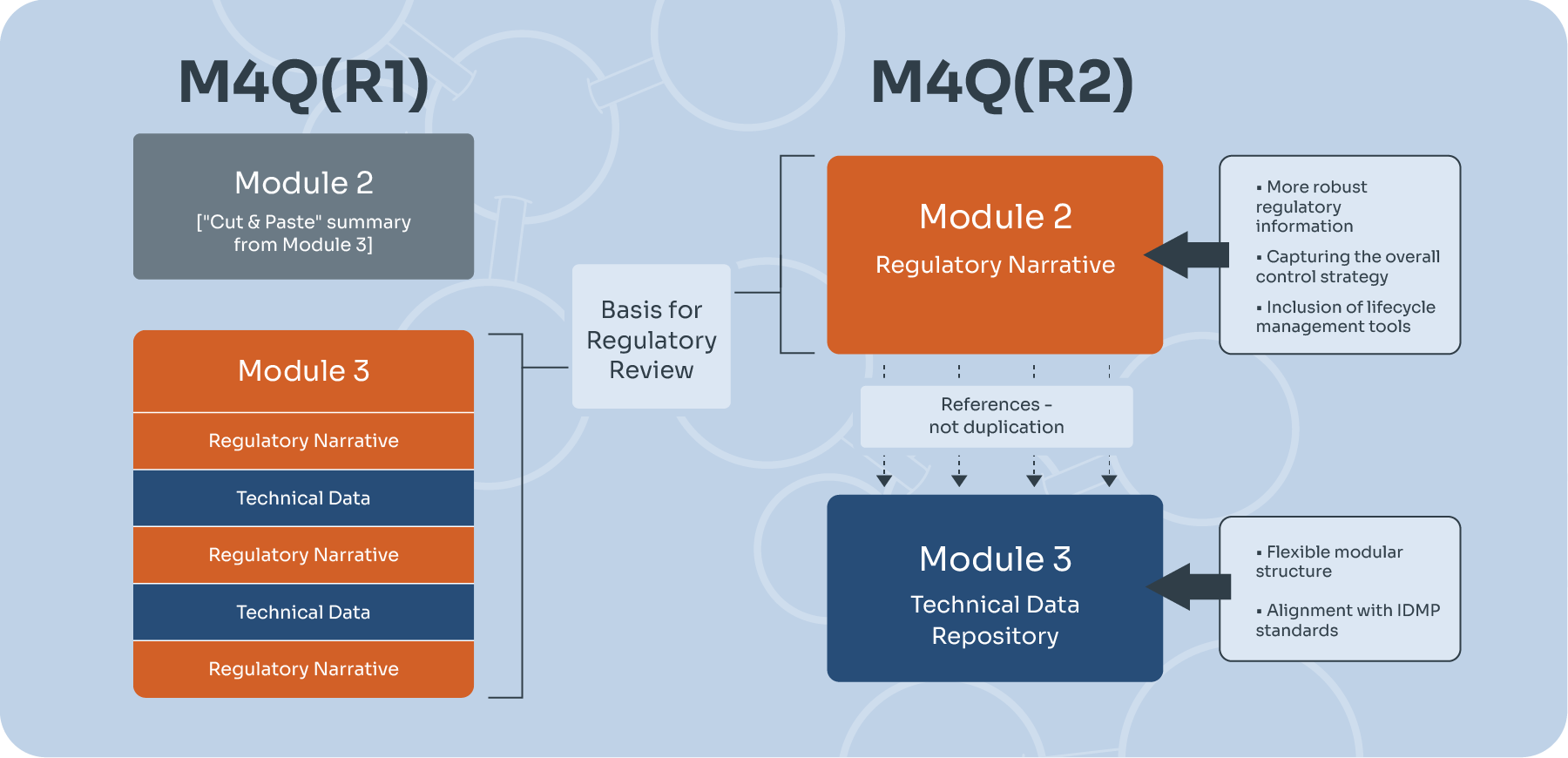
The most significant change is the complete restructuring of CTD Modules 2.3 (Quality Overall Summary) and Module 3 (Quality).
Under the revised structure, Module 2.3 is intended to become the primary document supporting regulatory assessment. Greater emphasis will be placed on summarising the pharmaceutical development strategy, demonstrating product knowledge and outlining the principles of quality risk management.
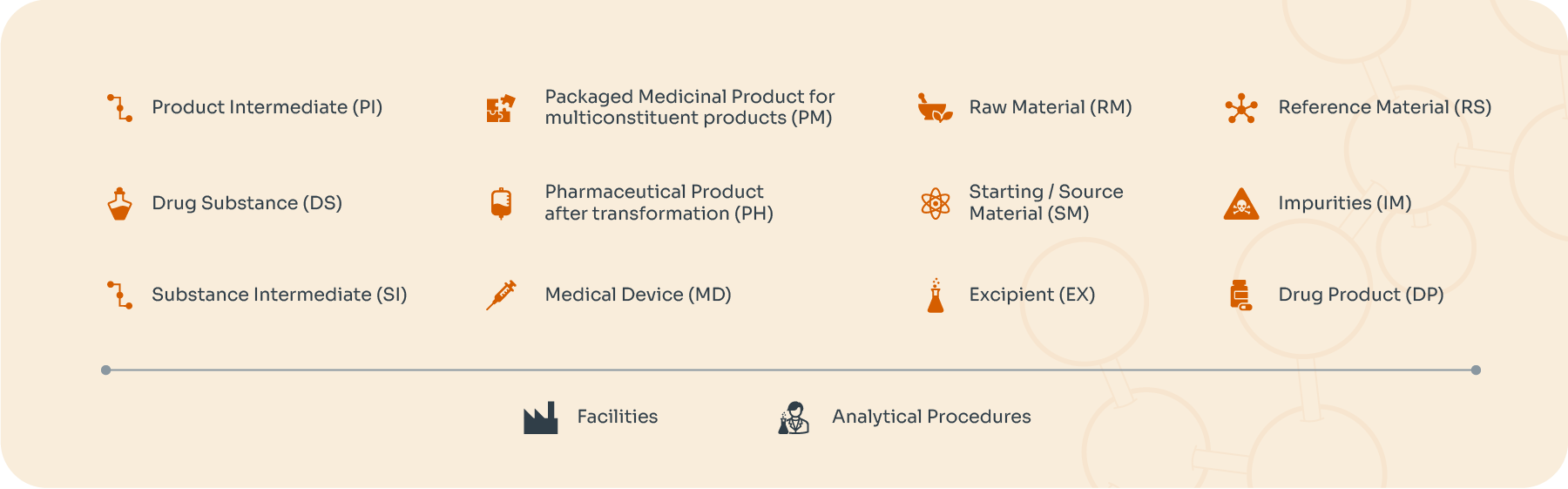
Each section will follow a consistent framework covering:

This standardised approach is intended to make dossiers easier to navigate while improving consistency across product types.
Training, internal procedures and document management processes will all require review and revision.
One of the biggest uncertainties is how our national competent authorities (NCA) will implement the revised guideline alongside existing registrations.
Legacy Products
- Will companies need to maintain both current and revised CTD structures during the transition period?
- Will baseline submissions or dossier conversions be required?
- Will regulators provide mapping tools to support migration to the new structure?
- How should companies manage lifecycle changes where information expected under M4Q(R2) was never included in legacy dossiers?
Products Currently in Development
- Quality Target Product Profile (QTPP)
- Critical Quality Attributes (CQAs)
- Quality Risk Management
- Control Strategy Development
- Pharmaceutical Development in accordance with ICH Q8
- Pharmaceutical Quality Systems in accordance with ICH Q10
- Product Lifecycle Management and Established Conditions under ICH Q12
Global Implementation Considerations
Global companies should therefore monitor regional announcements carefully and consider the potential operational impact on regulatory publishing, submission planning and lifecycle management.
Although many practical questions remain, organisations should not wait until formal implementation begins. Assessing current processes, identifying potential gaps and planning for change now will place companies in a stronger position when the revised guideline comes into effect.